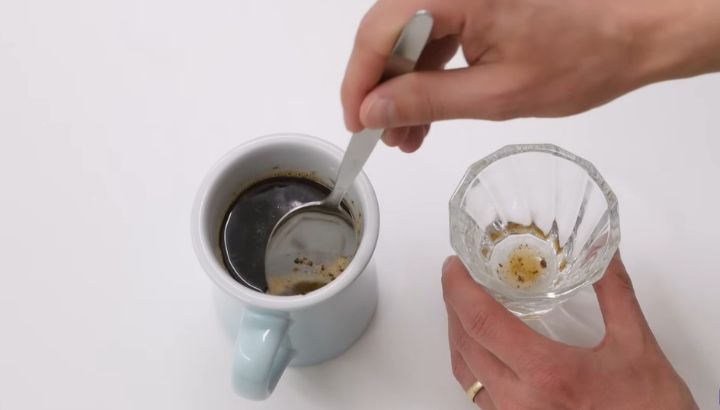
You can make coffee without a coffee maker using six practical methods: the cowboy method (simmering grounds directly in a pot), the pour-over bag method using a paper filter over a mug, the French press simulation using any heat-safe jar, the stovetop moka pot, the microwave steep method, or cold brew in a mason jar.
Each method requires only coarsely or medium-ground coffee, hot water between 195°F and 205°F, and a way to separate the grounds from the liquid before drinking.
The cowboy method and jar steep are the fastest with zero special equipment. The pour-over bag method produces the cleanest cup. Cold brew in a mason jar requires no heat at all and works anywhere you have a refrigerator and 12 to 24 hours of patience.
Whether your coffee maker just broke, you’re traveling without access to one, camping without power, or simply trying to get a decent cup from a hotel room with nothing but a kettle, the situation is more solvable than it feels at 7 AM. Every coffee brewing method, at its core, does the same thing: expose ground coffee to hot water for a controlled period and then separate the liquid from the grounds.
Once you understand that, any container that holds hot water becomes a potential brewing vessel. The difference between methods is grind size, contact time, water temperature, and how you filter the grounds out. Get those four variables approximately right and the result is genuinely good coffee regardless of what equipment you have available.
This guide covers every viable method for how to make coffee without a coffee maker, ranked by equipment requirements, cup quality, and ease of execution, so you can pick the right approach for your specific situation.
How Coffee Extraction Works Without a Machine
The Core Brewing Principle
Every brewing method, machine-assisted or not, works by dissolving flavor compounds from ground coffee into hot water through a process called extraction. Water temperature, grind size, and contact time together determine how much of the coffee’s flavor is extracted and which compounds come through first.
Desirable flavor compounds including sucrose, organic acids, and aromatic oils dissolve at different rates. At the correct temperature of 195°F to 205°F, these compounds extract in roughly 3 to 5 minutes of contact time for medium-ground coffee. Too short and the result is weak and sour. Too long and bitter compounds dominate.
Without a machine controlling these variables automatically, you control them manually. The good news is that a 2 to 3 minute margin of error is acceptable in most no-equipment methods before the flavor noticeably degrades.
Why Grind Size Matters More Without a Machine
In a standard drip coffee maker, water passes through the grounds in a fixed amount of time controlled by the machine’s flow rate. Without that controlled flow, contact time is determined entirely by your method and how quickly you separate the grounds from the liquid.
A coarse grind extracts slowly, giving you more flexibility with contact time before bitterness sets in. A fine grind extracts rapidly and becomes harsh within minutes, making timing critical. For most no-equipment methods, a medium to coarse grind is the safest choice because it’s forgiving enough to handle the imprecise timing that comes with improvised brewing.
Pre-ground coffee from a grocery store (typically ground for drip machines at a medium-fine level) works in all of these methods but requires slightly shorter steep times than coarser grinds to avoid over-extraction.
Six Methods for Making Coffee Without a Coffee Maker
Method 1: The Cowboy Coffee Method
Cowboy coffee is the oldest and most direct coffee preparation method that exists. You heat water in a saucepan or small pot on a stovetop or open flame, add ground coffee directly to the water, let it steep, and allow the grounds to settle to the bottom before carefully pouring the liquid off.
Bring approximately 8 oz of water per cup to just below a full boil, around 195°F to 200°F. Remove from heat and add 1 to 2 tablespoons of medium-ground coffee per 8 oz of water directly to the pot. Stir once to ensure the grounds are submerged and not floating as a dry clump on the surface.
Let the coffee steep for 4 to 5 minutes without returning it to heat. After steeping, add a small splash of cold water. The cold water shock causes most ground particles to sink quickly, settling them to the bottom of the pot within 30 seconds.
Pour slowly and steadily into your cup, leaving the last inch of liquid in the pot where most grounds concentrate. You’ll get some sediment in the cup regardless, but the bottom-of-the-pot technique minimizes it significantly.
Method 2: The Makeshift Pour-Over Method
The pour-over method requires only a paper filter (a paper towel or a piece of cloth also works as a substitute), a mug, and hot water. It produces the cleanest cup of any no-equipment method because the filter removes both grounds and coffee oils before they reach the cup.
Fold a paper coffee filter, paper towel, or clean piece of fine cotton cloth into a cone shape. Set it over the top of your mug and hold it in place by folding the edges over the rim or securing it with a rubber band. The filter should form a pocket deep enough to hold the coffee grounds above the cup.
Add 2 tablespoons of medium to coarse ground coffee per 8 oz of water to the filter. Slowly pour a small amount of hot water (about twice the volume of the coffee by weight) over the grounds and let it absorb for 30 seconds. This bloom step releases CO2 from the grounds and improves extraction evenness.
Continue pouring the remaining hot water slowly over the grounds in a circular pattern. The entire pour should take about 3 to 4 minutes. Remove the filter and grounds when dripping stops and the cup is ready to drink immediately.
Method 3: The Jar or Mug Steep Method
The jar steep method is essentially a simplified French press simulation that requires only a heat-safe jar or large mug, ground coffee, hot water, and either a spoon or a second filter to separate grounds from liquid.
Add 2 tablespoons of coarse-ground coffee per 8 oz of water to a glass jar or large ceramic mug. Pour hot water at approximately 200°F directly over the grounds, filling to your desired volume. Stir once to ensure all grounds are wetted evenly.
Place a lid, plate, or piece of plastic wrap over the top to retain heat during steeping. Let the coffee steep for 4 minutes for medium roast or 3 minutes for dark roast. Fine grounds need only 2 to 3 minutes before bitterness becomes noticeable.
After steeping, either let the grounds settle for 2 minutes and pour carefully, or strain through a paper filter or fine cloth into a second clean cup. The settled-grounds pour works adequately for coarse grinds. Fine or medium grinds produce too much suspended sediment for the settle method to clear adequately.
Method 4: The Stovetop Moka Pot Method
The moka pot (also called a stovetop espresso maker) is a standalone device that doesn’t require electricity. While technically a piece of equipment, it’s one that works on any stovetop or open flame and is worth including since many people have one and don’t realize it’s usable during a power outage or while camping.
A Bialetti Moka Express (available in 3-cup / 5.5 oz, 6-cup / 10 oz, and 9-cup / 14 oz sizes) works by generating steam pressure in a sealed lower chamber to push boiling water upward through a packed basket of finely ground coffee into an upper collection chamber.
Fill the lower chamber to just below the pressure valve with cold water. Fill the filter basket with finely ground coffee, leveled but not tamped, and screw the upper and lower chambers together firmly. Place on medium heat until you hear a gurgling sound, indicating the upper chamber is filling.
Remove from heat immediately when you hear the gurgling become sputtering. The result is a concentrated, espresso-style coffee that’s stronger than drip output and intended for small servings or dilution with hot water.
Method 5: The Microwave Steep Method
The microwave method works when you have a microwave, a mug, and coffee but no stovetop or kettle. It produces results similar to the jar steep method with slightly less temperature control since microwaves heat unevenly.
Add 2 tablespoons of medium-ground coffee to a large microwave-safe mug. Fill with cold water to your desired level and microwave on high for approximately 2 to 2.5 minutes for an 8 oz cup. Stop before the water reaches a full rolling boil, which would exceed the ideal brewing temperature.
Remove the mug from the microwave carefully using a cloth since the ceramic will be hot. Allow the coffee to sit and steep for an additional 4 minutes before drinking. The grounds will settle partially to the bottom; let the mug sit undisturbed rather than stirring again after the steep.
Drink slowly and avoid the last sip where grounds concentrate. The microwave method produces a rougher result than stovetop cowboy coffee because of temperature inconsistency, but it’s fully functional when a stove isn’t available.
Method 6: Cold Brew in a Mason Jar
Cold brew requires no heat source, no specialized equipment, and produces one of the most palatable cups of any brewing method once ready. The only requirements are coarsely ground coffee, cold filtered water, a mason jar or any sealed container, and time.
Add 1 oz (approximately 28g) of coarse-ground coffee per cup of cold water to a mason jar or pitcher. Stir thoroughly to ensure all grounds are saturated. Seal the container and refrigerate for 12 to 24 hours depending on your desired strength.
After steeping, strain the concentrate through a fine-mesh strainer, cheesecloth, or paper coffee filter into a clean container. The filtration step is slower than hot brew filtration since cold liquid is more viscous, so allow 10 to 15 minutes for the paper filter pass to complete.
The resulting concentrate is meant to be diluted 1:1 with cold water or milk before drinking. It stores in the refrigerator for up to two weeks and produces a smooth, low-acid cup that’s significantly less bitter than any hot improvised method.
Comparison of All Methods at a Glance
| Method | Equipment Needed | Time Required | Cup Quality | Best Situation |
|---|---|---|---|---|
| Cowboy coffee | Pot, heat source | 10 minutes | Medium, some sediment | Camping, power outage |
| Makeshift pour-over | Paper filter or cloth, mug | 8 to 10 minutes | High, very clean | Hotel room, travel |
| Jar steep | Jar or mug, heat source | 10 minutes | Medium, some sediment | Home kitchen, no machine |
| Moka pot | Moka pot, stovetop | 10 minutes | High, concentrated | Camping, home without power |
| Microwave steep | Microwave, mug | 8 minutes | Low to medium | Office, no stovetop |
| Cold brew mason jar | Jar, refrigerator | 12 to 24 hours | Very high, smooth | Planned ahead, no heat |
Grind and Ratio Guide for Each Method
Grind Size by Method
Grind size is the variable that most significantly determines whether an improvised brewing method produces good coffee or undrinkable bitterness. Each method has an optimal grind range based on its contact time and filtration approach.
For cowboy coffee and jar steep, use a coarse grind equivalent to setting 28 to 30 on a Baratza Encore or the texture of coarse sea salt. The coarse grind’s slow extraction rate forgives the imprecise timing of uncontrolled steep methods.
For the makeshift pour-over, a medium grind (setting 20 to 24 on a Baratza Encore) extracts cleanly through the filter in the 3 to 4 minute pour window. Coarser grinds under-extract through a filter in this time window; finer grinds over-extract.
For the moka pot, use a fine to medium-fine grind, finer than drip but not as fine as espresso. Pre-ground coffee labeled for moka pot use is available from brands including Lavazza, Illy, and Café Bustelo and is the easiest option if you don’t have a grinder.
Coffee to Water Ratios
The standard coffee to water ratio for most hot brewing methods without a machine is 2 tablespoons (approximately 10 to 12g) of ground coffee per 8 oz (240 ml) of water. This produces a medium-strength cup comparable to standard drip output.
For stronger coffee, increase to 3 tablespoons per 8 oz or reduce water volume. For milder coffee, reduce to 1.5 tablespoons per 8 oz. Measuring by weight using a kitchen scale produces the most consistent results since tablespoon volume varies with grind size and pack density.
For cold brew, use a heavier ratio of approximately 1 oz (28g) of coarse ground coffee per 8 oz (240 ml) of cold water since cold water extracts less efficiently than hot and you want a concentrate that’s diluted before serving.
Common Mistakes and How to Fix Them
Using Boiling Water Directly
Pouring water at a full rolling boil (212°F / 100°C) directly onto coffee grounds scorches the surface of the grounds and extracts harsh, bitter compounds in the first seconds of contact. This is the most common mistake in cowboy coffee and jar steep methods.
Take the pot or kettle off heat and wait 45 to 60 seconds after it stops boiling before pouring. Without a thermometer, this timing brings most boiling water down to the 195°F to 205°F range. If you have a thermocouple thermometer or an instant-read kitchen thermometer, use it to confirm temperature before pouring.
Steeping Too Long
Leaving coffee grounds in contact with hot water for more than 6 minutes in any method results in over-extraction that produces harsh, astringent bitterness. For the jar steep and cowboy methods, set a timer and pour or filter the moment it goes off rather than letting it sit while you attend to other things.
The bitterness from over-extraction can’t be corrected after the fact. Diluting with more water reduces bitterness marginally but also reduces all other flavors simultaneously. Prevention through timing is the only reliable fix.
Not Wetting All the Grounds
In the jar and cowboy methods, dry grounds floating on the surface don’t extract and effectively reduce the amount of coffee contributing to the cup. This produces weak, under-flavored coffee even when the ratio is correct.
Stir once immediately after adding the hot water to ensure all grounds are submerged and saturated. For the makeshift pour-over, the bloom pour step ensures all grounds in the filter are pre-wetted before the main pour begins.
Pouring Too Fast Through an Improvised Filter
Pouring the full volume of steeped coffee quickly through a paper towel or cloth filter causes the grounds to pile up and block flow, forcing you to wait while the filter slowly drips. Meanwhile the coffee sitting above the filter continues over-extracting.
Pour slowly and continuously rather than dumping the full volume at once. This keeps the grounds distributed in the filter rather than compacted into a blocking mass and maintains steady flow throughout the filtration step.
Pro Tips for Better Results Without Equipment
Preheat Your Container
Pouring hot coffee into a cold ceramic mug drops the liquid temperature by 5°F to 10°F immediately. For improvised methods where brew temperature is already imprecise, losing additional temperature in the serving vessel compounds the issue.
Fill your mug with hot tap water for 60 seconds before brewing and discard before adding coffee. This preheating step takes 60 seconds and maintains the coffee at a higher temperature throughout the drinking window, which noticeably improves perceived flavor quality.
Use a Tea Strainer for Cleaner Results
A fine-mesh tea strainer held over the cup while pouring from a cowboy coffee pot or jar steep significantly reduces sediment compared to careful slow-pouring alone. Most kitchens have a tea strainer available even when the coffee maker is broken or absent.
A stainless steel tea strainer with a fine mesh catches the majority of coarse grounds and most medium grounds. It doesn’t eliminate all fine particles the way a paper filter does but produces a noticeably cleaner cup with less gritty texture than the sediment-settle method.
Bloom Every Time
Whether using the makeshift pour-over, jar steep, or cowboy method, adding a small amount of hot water first and waiting 30 seconds before the main pour produces more even extraction and a noticeably better-tasting result. The bloom releases CO2 from the grounds that would otherwise create resistance to water absorption during the main pour.
For freshly roasted beans (roasted within two weeks), the bloom effect is particularly pronounced since fresh beans off-gas significantly more CO2 than older beans. The bloom step costs 30 seconds and consistently improves cup quality across every no-equipment method.
Keep a Paper Filter in Your Wallet When Traveling
A single flat paper coffee filter folds to the size of a business card. Keeping one in your wallet, travel bag, or laptop case means the makeshift pour-over method is available wherever you are, using nothing more than the filter, a mug, and access to hot water from any hotel kettle or office microwave.
The pour-over bag method using a paper filter is the highest-quality and most reliable improvised method available. Having one filter on hand costs nothing and converts any hot water source into a functional brewing setup in under 5 minutes.
Cleaning Up After No-Equipment Brewing
Disposing of Grounds Without a Machine
Used coffee grounds should be disposed of in the trash or compost bin rather than rinsed down the sink drain. Coffee grounds don’t dissolve in water and accumulate in drain pipes over time, contributing to blockages particularly in older plumbing with existing buildup.
If you’re camping or outdoors, scatter used grounds away from the water source and camp area. They decompose quickly and are safe for the soil. Do not bury large quantities in a single location since concentrated grounds temporarily affect soil pH.
Cleaning Improvised Containers
Rinse any jar, pot, or mug used for brewing immediately after use. Coffee oils adhere to surfaces quickly and are much harder to remove once dried. A quick hot water rinse within 5 minutes of brewing clears most residue without soap.
For persistent coffee oil film on glass jars or ceramic mugs, fill with hot water and a teaspoon of white vinegar and let soak for 10 minutes. The mild acid breaks down oxidized oil film without scratching surfaces or leaving a chemical taste. This is particularly useful for glass mason jars used repeatedly for cold brew.
Caring for a Moka Pot Used Without Electricity
Rinse the moka pot lower chamber, filter basket, and upper chamber with hot water after every use. Never use soap inside the lower chamber or filter basket since both components develop a seasoning layer of coffee oils that contributes to flavor in subsequent brews.
Dry all components fully before storing to prevent mineral deposits from forming on the aluminum surface of most moka pots. Bialetti recommends storing the moka pot disassembled with all components separate to allow any residual moisture to evaporate.
Frequently Asked Questions
What is the easiest way to make coffee without a coffee maker?
The easiest method is the jar steep or cowboy coffee method, both of which require only a heat-safe container, hot water, and ground coffee. Add 2 tablespoons of medium-ground coffee per 8 oz of hot water to a jar or pot, steep for 4 minutes, let the grounds settle for 2 minutes, then pour carefully into a cup leaving the last inch of liquid behind. No filters, no special tools, and no technique beyond basic timing required. For an even simpler result with zero equipment and no sediment concern, instant coffee dissolved in hot water is technically outside the scope of ground coffee brewing but is a legitimate fallback option.
Can you make coffee in a microwave without a coffee maker?
Yes. Add 2 tablespoons of medium-ground coffee to a large microwave-safe mug, add 8 oz of cold water, and microwave on high for 2 to 2.5 minutes. Stop before the water boils fully. Let the mug sit undisturbed for 4 minutes to steep, then let grounds settle for another 2 minutes before drinking slowly. Avoid the last 20% of the cup where most grounds concentrate. Results are less consistent than stovetop methods because microwave heating is uneven across the water column, but the cup is fully drinkable and the method requires absolutely nothing beyond a mug and a microwave.
How do you make coffee with just hot water and ground coffee?
Combine 2 tablespoons of coarse or medium-ground coffee with 8 oz of water at approximately 200°F in any heat-safe container. Stir once to fully saturate the grounds and let steep for 4 minutes without further stirring. After steeping, let the grounds settle for 1 to 2 minutes by leaving the container undisturbed. Pour the coffee slowly into a second cup, tilting the container gradually and stopping before the settled grounds at the bottom begin to pour. The result has some fine sediment but is a fully brewed cup with no additional equipment required beyond the container and the hot water source.
What can I use as a coffee filter if I don’t have one?
The most effective substitutes for a paper coffee filter are a paper towel, a piece of clean cotton cloth, a clean kitchen towel, or a handkerchief folded into a cone shape. A fine-mesh tea strainer works as a partial substitute but doesn’t remove fine particles the way a paper or cloth filter does. Paper towels work extremely well as filter substitutes since their tight fiber structure closely resembles paper coffee filter material. Avoid using synthetic fabric like polyester since it can impart a taste to the coffee. A double layer of cheesecloth is the preferred reusable substitute for a single-use paper filter.
How long do you steep coffee without a coffee maker?
Most no-equipment hot brew methods require 4 to 5 minutes of steep time for medium-ground coffee at the correct temperature of 195°F to 205°F. The jar steep and cowboy methods both work best at 4 minutes for medium roasts and 3 to 4 minutes for dark roasts. Steeping shorter than 3 minutes produces under-extracted, sour coffee. Steeping beyond 6 minutes at these temperatures begins producing bitter, over-extracted compounds regardless of grind coarseness. For cold brew using a mason jar, the steep time extends to 12 to 24 hours in the refrigerator since cold water extracts far more slowly than hot water.
Can you make espresso without an espresso machine?
You cannot produce true espresso, which requires 9 bars of pressure to extract, without an espresso machine. However, a moka pot produces a concentrated, espresso-style coffee that’s significantly stronger than drip output and comparable in intensity and body to a short espresso. The Bialetti Moka Express on a stovetop is the closest practical approximation available without electricity or an electric machine. Alternatively, preparing a very concentrated jar steep using a 1:7 coffee-to-water ratio with fine-ground dark roast coffee and drinking it in a small 2 oz serving mimics espresso’s strength and flavor profile reasonably well for use in milk-based drinks.
How do you make coffee while camping without a coffee maker?
Cowboy coffee cooked directly in a camping pot over an open flame or camp stove is the most practical camping method. Bring water to just below boiling, remove from heat, add 2 tablespoons of coarsely ground coffee per cup, stir once, steep for 4 to 5 minutes, then add a small cold water splash to settle grounds before pouring. A moka pot on a camp stove produces a significantly higher quality result and is small and durable enough for backpacking. For ultralight situations, a paper filter for makeshift pour-over or pre-portioned cold brew prepared in a sealed bag before leaving home are both zero-electricity options with minimal pack weight.
Does coffee made without a coffee maker taste different?
Coffee made without a machine tastes noticeably different depending on the method. Cowboy coffee and jar steep methods produce fuller-bodied cups with some sediment and coffee oil content that filtered drip coffee removes. Many experienced coffee drinkers actually prefer the heavier, more textured body of unfiltered coffee. Makeshift pour-over produces a cup closest to standard drip machine output since paper filtration removes oils and fine particles similarly. Cold brew produces the smoothest, lowest-acid cup of any method, noticeably different in character from hot-brewed coffee. Moka pot output is stronger and more concentrated than drip, requiring dilution for most casual coffee drinkers.
What is the best no-equipment coffee method for travel?
The makeshift pour-over using a single folded paper coffee filter is the best no-equipment coffee method for travel because it requires only one compact, weightless item (the filter) and produces a clean, high-quality cup using any mug and any hot water source. Hotels universally provide at minimum an electric kettle or instant hot water for tea, which provides adequate water temperature for pour-over brewing. Bringing pre-ground coffee in a small airtight bag and a handful of paper filters gives you full control over coffee quality in any hotel room, Airbnb, or office break room without relying on whatever low-quality machine is provided.
Conclusion
Every method for how to make coffee without a coffee maker works on the same fundamental principle: hot water, ground coffee, controlled time, and a way to separate the liquid from the grounds. The differences between methods are about convenience, available equipment, and how much sediment or oil content you’re comfortable with in the finished cup.
For immediate use with zero preparation, cowboy coffee in a pot or a jar steep delivers a functional cup in under 10 minutes from any heat source. For the cleanest result with minimal equipment, a single paper filter over a mug outperforms every other improvised method and fits in a travel bag or wallet. For planned-ahead situations, cold brew in a mason jar requires nothing but coarse grounds and a refrigerator and produces genuinely excellent coffee with no bitterness and no equipment investment.
The most important takeaway for anyone learning how to make coffee without a coffee maker is that grind size and steep time control quality more than anything else. Keep the grind coarse, keep the steep time between 3 and 5 minutes for hot methods, use water just off the boil rather than at a full rolling boil, and the method becomes almost secondary to the result.