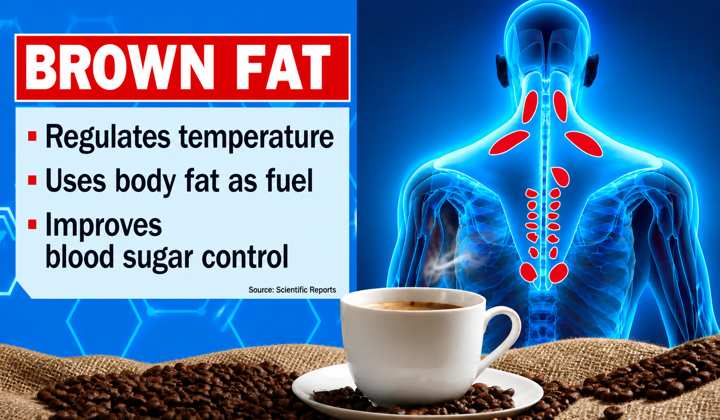
Coffee can support modest weight loss through several measurable mechanisms: caffeine raises metabolic rate by 3% to 11%, suppresses appetite temporarily, enhances fat oxidation during exercise, and reduces calorie intake when consumed black instead of calorie-dense alternatives.
However, coffee does not cause weight loss on its own. These effects are modest, diminish significantly with caffeine tolerance, and are completely negated by adding sugar, flavored syrups, creamers, or whole milk to each cup.
Black coffee consumed strategically before exercise and as a replacement for high-calorie beverages produces the most measurable weight-related benefit. Coffee with significant caloric additions contributes to weight gain in most habitual drinkers despite the caffeine it contains.
If you’ve heard that coffee helps with weight loss and wondered whether that’s a real effect or nutritional mythology, the answer is genuinely both. There are documented biological mechanisms through which caffeine and coffee compounds influence metabolism, fat burning, and appetite. But these effects are modest, conditional, and easy to completely offset through the way most people actually drink their coffee every day.
The practical question isn’t whether coffee has any metabolic effect at all. The question is whether the effect is large enough to matter in a real diet context, which conditions maximize it, and which common coffee habits actively work against it. Understanding all three gives you an honest, usable answer rather than either overselling coffee as a weight loss tool or dismissing it entirely.
This guide covers every mechanism through which coffee affects body weight, which types and preparations maximize the benefit, what the research actually says about magnitude, and the specific mistakes that turn a potentially helpful habit into one that works against your goals.
How Coffee Affects Body Weight: The Core Mechanisms
Caffeine and Metabolic Rate
Caffeine is one of the few substances with consistent clinical evidence for a direct increase in resting metabolic rate. Multiple controlled studies have shown that caffeine intake of 200 mg to 400 mg (approximately 2 to 4 standard drip coffee cups) raises metabolic rate by 3% to 11% for several hours after consumption.
This metabolic increase works primarily through stimulation of the sympathetic nervous system, which triggers the release of epinephrine (adrenaline). Elevated epinephrine signals fat cells to break down stored fat and release it into the bloodstream as free fatty acids, making it available as fuel rather than keeping it stored in adipose tissue.
The percentage increase sounds modest, but across a full day it translates to an additional 80 to 150 calories burned depending on baseline metabolic rate and caffeine sensitivity. Over weeks and months without caloric compensation, this creates a meaningful cumulative deficit.
Fat Oxidation and Exercise Performance
Caffeine specifically enhances fat oxidation during aerobic exercise by increasing the availability of free fatty acids in circulation and encouraging working muscles to preferentially use fat as fuel at moderate exercise intensities. Studies consistently show that consuming caffeine 30 to 60 minutes before exercise increases fat burning during the session compared to the same exercise without caffeine.
This effect is most pronounced at moderate aerobic intensities corresponding to approximately 60% to 70% of maximum heart rate. At these intensities, the body’s fuel selection is flexible between fat and carbohydrate, and caffeine tips the balance toward fat by increasing its availability and the enzymes that metabolize it.
For regular exercisers, this means coffee consumed before workouts produces a fat-burning advantage compared to training without it. For sedentary individuals, the free fatty acids released by caffeine-driven epinephrine signaling may simply be redeposited in fat cells if not used through physical activity, making the exercise connection important to the weight loss application.
Appetite Suppression
Caffeine reduces appetite through two mechanisms. It stimulates the release of peptide YY, a gut hormone that signals satiety to the brain, and it modestly increases levels of leptin, the hormone responsible for long-term appetite regulation and fat store signaling. The result is a reduction in perceived hunger for 1 to 3 hours after coffee consumption in most people.
This appetite suppression effect is real but variable. Clinical studies show that coffee consumed before a meal reduces calorie intake at that meal by an average of 70 to 100 calories compared to no pre-meal coffee. Over a week of consistent pre-meal coffee consumption, this represents a potential deficit of 490 to 700 calories without any conscious dietary restriction.
The effect diminishes in habitual coffee drinkers who have developed caffeine tolerance. Regular consumers who drink 3 or more cups daily typically experience a much weaker appetite suppression effect from the same caffeine dose than occasional drinkers, because the receptor adaptations that drive tolerance also blunt the appetite-related signaling.
How Caffeine Tolerance Affects Weight Loss Benefits
The Tolerance Problem
Caffeine tolerance develops through adenosine receptor upregulation: the brain creates more adenosine receptors in response to habitual caffeine blocking of those receptors, reducing the stimulant effect of any given dose over time. The same upregulation process blunts caffeine’s metabolic and appetite effects.
Research comparing caffeine’s metabolic rate effect in habitual versus non-habitual coffee drinkers consistently shows larger effects in occasional drinkers. One controlled study found that lean non-habitual caffeine consumers showed a 29% increase in fat oxidation from caffeine, while obese habitual consumers showed only an 11% increase from the same dose.
For regular coffee drinkers using coffee specifically as a weight loss tool, the diminishing returns from tolerance are a real limitation. The metabolic and appetite effects that work reliably in clinical short-term studies become progressively weaker with sustained daily intake at the same dose.
Cycling Intake to Preserve Sensitivity
Deliberately cycling caffeine intake by reducing or eliminating it for 1 to 2 weeks at regular intervals allows adenosine receptor density to normalize, restoring caffeine sensitivity and the metabolic response that accompanies it. After a reset period, the same dose that was producing a blunted response returns to producing a stronger metabolic effect.
This strategy requires managing the withdrawal symptoms (headache, fatigue, irritability) that occur in the first 2 to 4 days of caffeine reduction. Gradually tapering by 25% per day over 4 days rather than stopping abruptly significantly reduces withdrawal severity.
Coffee Type and Preparation: What Maximizes Weight Benefits
Black Coffee vs. Coffee With Additions
Black coffee contains approximately 2 to 5 calories per 8 oz cup, essentially zero from a dietary perspective. It delivers the full caffeine content and all the metabolic benefits without adding any caloric load that would offset those benefits.
Every common coffee addition adds calories that work against the metabolic benefit. The cumulative caloric impact of typical coffee additions across a day of 3 to 4 cups is significant and often underestimated by drinkers who think of their coffee as essentially calorie-free.
| Coffee Preparation | Calories Per Cup | Daily Total (3 cups) | Weight Impact |
|---|---|---|---|
| Black drip coffee | 2 to 5 | 6 to 15 | Neutral to mildly beneficial |
| Coffee + 1 tbsp whole milk | 10 to 15 | 30 to 45 | Negligible impact |
| Coffee + 2 tbsp half-and-half | 40 to 50 | 120 to 150 | Offset metabolic benefit |
| Coffee + 2 tsp sugar | 30 to 40 | 90 to 120 | Partially offsets benefit |
| Flavored latte (medium) | 200 to 300 | 600 to 900 | Significant weight gain risk |
| Frappuccino-style drink | 350 to 500 | 1,050 to 1,500 | Counterproductive for weight loss |
A single Starbucks Grande Caramel Macchiato contains approximately 250 calories and 33 grams of sugar. Three of these daily adds 750 calories and 99 grams of sugar, which completely reverses any metabolic benefit from the caffeine and creates a substantial caloric surplus.
Brewing Method and Caffeine Content
The metabolic and appetite effects of coffee scale with caffeine dose up to approximately 400 mg per day, above which additional caffeine produces diminishing returns and increasing side effects. Different brewing methods deliver significantly different caffeine amounts per serving.
Cold brew at standard concentrate dilution delivers 150 to 200 mg per 8 oz serving, making it the highest-caffeine standard home brewing option. Drip coffee delivers 80 to 120 mg per 8 oz. Espresso delivers 60 to 75 mg per shot but at a much smaller volume, making it lower total caffeine than a full drip cup despite its higher concentration per ounce.
For weight-related benefits, drip coffee or cold brew consumed black provides the best combination of high caffeine dose and minimal caloric load. Cold brew has the additional advantage of lower acidity, which makes it easier to drink without the milk additions that many people use to offset drip coffee’s acidity.
Light Roast vs. Dark Roast for Weight Benefits
Light roast coffee contains marginally more caffeine per gram than dark roast because caffeine is mildly degraded during extended roasting. The difference per standard cup is small (approximately 5 to 10 mg) and unlikely to produce a meaningful metabolic difference in practice.
More relevant to weight management is chlorogenic acid content, which is substantially higher in light roasts. Chlorogenic acids have been studied independently as potential weight management compounds due to their effects on glucose absorption and metabolism. Some research suggests chlorogenic acids slow intestinal glucose absorption, which may reduce post-meal blood sugar spikes and the insulin response that promotes fat storage.
The clinical evidence for chlorogenic acids as an independent weight loss compound is promising but not conclusive. The current evidence is strongest for green coffee extract (unroasted beans) which contains the highest chlorogenic acid concentrations, and weaker for standard roasted coffee where roasting reduces these compounds significantly.
Comparing Coffee to Other Weight Loss Approaches
Coffee as a Tool vs. Coffee as a Strategy
Coffee’s contribution to weight management is best understood as a modest tool that works synergistically with a caloric deficit, not as an independent weight loss strategy. When someone is already eating in a controlled caloric deficit and exercising regularly, the metabolic rate increase, enhanced fat oxidation during exercise, and appetite suppression from black coffee all add meaningful incremental benefit.
When someone is eating at or above their caloric maintenance level, coffee’s metabolic effects are insufficient to create meaningful weight loss on their own. The 3% to 11% metabolic rate increase represents an additional 80 to 150 calories burned per day, which is not enough to overcome a poor diet or create visible weight change without other interventions.
Coffee vs. Green Tea for Weight Management
Green tea contains both caffeine (30 to 50 mg per cup) and EGCG (epigallocatechin gallate), a catechin compound shown to enhance fat oxidation independently of caffeine’s effects. The combination of caffeine and EGCG in green tea produces synergistic metabolic effects that some studies show are greater than caffeine alone at equivalent doses.
However, the total caffeine dose per cup of green tea is significantly lower than coffee, meaning coffee produces a stronger immediate metabolic rate increase from caffeine’s effect alone. For maximum metabolic benefit per serving, coffee outperforms green tea. For sustained, gentler metabolic support throughout the day with less tolerance development risk, green tea’s lower caffeine load is advantageous.
Neither green tea nor coffee produces clinically significant weight loss as standalone interventions in controlled research. Both contribute meaningfully within the context of a caloric deficit and active lifestyle.
Step-by-Step: How to Use Coffee Strategically for Weight Management
Step 1: Switch to Black Coffee
Transitioning from creamer-and-sugar coffee to black coffee is the single highest-impact coffee change for weight management. Eliminating 150 to 300 calories per day from coffee additions creates a larger deficit than the metabolic rate increase from the caffeine itself.
If drinking black coffee immediately isn’t palatable, reduce additions gradually over 2 to 3 weeks. Start by halving the sugar, then reducing creamer volume by 25% every few days. Most regular drinkers find that after 2 to 3 weeks of gradual reduction, black coffee tastes normal and their preference for heavily sweetened coffee diminishes significantly.
Step 2: Time Coffee Before Exercise
Consuming a black coffee or espresso 30 to 60 minutes before aerobic exercise is the most evidence-backed application of coffee’s weight-related benefits. This timing allows caffeine to reach peak blood concentration during the workout, maximizing both fat oxidation during exercise and performance output that leads to greater total calorie burn.
Target a dose of 150 to 200 mg of caffeine for the pre-workout serving. This corresponds to approximately one and a half to two standard drip coffee cups (8 oz each) or two double espresso shots. Consuming more than 200 mg before exercise can cause jitteriness, elevated heart rate, and anxiety that impairs workout quality.
Step 3: Use Coffee for Pre-Meal Appetite Management
Drinking a black coffee 30 minutes before your largest meal of the day uses caffeine’s appetite-suppressing effect to reduce calorie intake at that meal. Research consistently shows this reduces meal size by an average of 70 to 100 calories in non-tolerant consumers.
This strategy is most effective when used selectively rather than before every meal. Using it before dinner, which for many people is the highest-calorie meal and the one with the least activity following it, provides the most useful appetite management without building rapid tolerance from excessive caffeine frequency.
Step 4: Replace High-Calorie Beverages With Black Coffee
Substituting black coffee for one daily sweetened beverage, flavored latte, or energy drink reduces calorie intake by 150 to 400 calories depending on what’s replaced. This substitution simultaneously delivers the metabolic benefits of black coffee and eliminates the caloric load of the replaced drink.
Replacing a daily medium flavored latte (approximately 250 calories) with a black drip coffee (5 calories) saves 245 calories per day. Over 30 days that’s a 7,350 calorie reduction, equivalent to approximately 2 lbs of fat loss purely from the beverage switch.
Step 5: Limit Intake to Before 2 PM
Cutting coffee consumption off by 1 to 2 PM preserves sleep quality by allowing caffeine to clear sufficiently before bedtime. Poor sleep quality is directly linked to increased appetite, elevated cortisol and ghrelin (hunger hormone) levels, reduced leptin (satiety hormone), and impaired glucose metabolism, all of which counteract any weight management benefit from the daytime coffee intake.
Every hour of sleep quality lost to late caffeine consumption costs more in appetite regulation disruption the following day than the metabolic benefit gained from the extra cup that caused it. Protecting sleep quality is more valuable for weight management than maximizing daily caffeine dose.
Common Mistakes That Undermine Coffee’s Weight Benefits
Adding High-Calorie Creamers
Non-dairy creamers, flavored liquid creamers, and sweetened plant-based milks are among the most calorie-dense common coffee additions and among the most underestimated. A single 2-tablespoon serving of Coffee Mate Original liquid creamer contains 35 calories and 5 grams of fat. Most people use 3 to 4 tablespoons per cup without measuring.
Four tablespoons of liquid creamer in each of three daily cups adds 210 calories per day from creamer alone. That’s more than 1,400 calories per week from a single unmeasured addition. Switching to unsweetened black coffee or at most a splash of unsweetened almond milk (8 calories per 2 tablespoons) eliminates this hidden calorie accumulation entirely.
Drinking Coffee to Skip Meals
Using coffee’s appetite suppression effect to skip meals rather than reduce meal size creates a problematic pattern. Skipping meals extends the fasting window too far, which triggers compensatory hunger later in the day that typically results in overeating beyond what the skipped meal would have contained.
Coffee is most effective for weight management when used to reduce the size of meals eaten rather than to replace them. A meal reduction of 100 calories per sitting adds up to a meaningful weekly deficit. Meal skipping followed by compensatory overeating typically nets a caloric surplus rather than the intended deficit.
Relying on Coffee Without Dietary Change
Expecting coffee to produce visible weight loss without any adjustment to diet or activity level is the most common and most consequential mistake. The metabolic effects of caffeine are real but insufficient to overcome a caloric surplus. A daily 3% metabolic rate increase adds approximately 80 calories burned while a single untracked 300-calorie snack erases that benefit three times over.
Coffee functions as a modest multiplier on an existing weight management effort. It enhances the results of a caloric deficit that’s already in place. It doesn’t create a deficit on its own in the absence of dietary awareness.
Pro Tips for Maximizing Coffee’s Weight Management Potential
Use a Quality Burr Grinder for Freshness
Freshly ground coffee brewed with a burr grinder (such as a Baratza Encore at setting 20 to 24 for drip, or a Comandante C40 at 25 to 30 clicks) produces a fuller-flavored, more aromatic cup that most people find significantly more palatable black than pre-ground or blade-ground coffee.
The palatability of black coffee is the most important practical factor for maintaining the no-addition habit long-term. Coffee that tastes good black requires no additions to be enjoyable. Investing in a quality grinder and fresh whole beans from a specialty roaster makes the transition to black coffee substantially easier.
Try Cold Brew for Lower Acidity
Cold brew coffee produced with coarse-ground beans steeped 12 to 24 hours in cold filtered water has a pH of approximately 6.0, compared to 4.5 to 5.5 for hot-brewed drip. The lower acidity means cold brew is smoother, less bitter, and easier to drink black than most hot-brewed alternatives.
Many people who can’t tolerate black hot coffee find black cold brew completely palatable. Since cold brew also has higher caffeine content than standard drip per serving, it provides a stronger metabolic dose in a more palatable black format. Diluting concentrate 1:1 with cold water produces an 8 oz serving with approximately 150 mg caffeine at under 5 calories.
Track Your Coffee Calories Honestly
Most people who drink 3 to 4 coffees daily significantly underestimate the caloric contribution of their additions. Using a food tracking app like MyFitnessPal or Cronometer for one week to log every coffee addition produces an accurate baseline that’s often surprising and immediately motivating.
Seeing that daily coffee additions account for 300 to 500 calories per day reframes the weight management potential of switching to black coffee in concrete, motivating terms. The math from a tracked week is more compelling than any general advice and creates a personal, specific case for the change.
Frequently Asked Questions
Does coffee make you lose weight permanently?
Coffee does not produce permanent weight loss on its own. Its weight-related benefits, including a 3% to 11% increase in resting metabolic rate, enhanced fat oxidation during exercise, and temporary appetite suppression, are real but modest and diminish significantly as caffeine tolerance develops with regular use.
Any weight change attributed to coffee is the combined result of coffee’s modest metabolic effects and the behavior changes that accompany its consumption, particularly replacing high-calorie beverages with black coffee. For sustained weight management, coffee functions as a supportive tool within an overall caloric deficit and active lifestyle, not as an independent weight loss intervention.
How much coffee should I drink for weight loss?
The evidence-supported dose range for metabolic benefits is 200 mg to 400 mg of caffeine per day, equivalent to 2 to 4 standard 8 oz drip coffee cups. Above 400 mg daily, the metabolic benefit plateaus while side effects including anxiety, elevated heart rate, and sleep disruption increase.
For pre-exercise fat oxidation, a single 150 to 200 mg serving 30 to 60 minutes before activity produces the strongest response. Spreading intake across the morning and early afternoon rather than consuming it all at once reduces peak caffeine spikes and sustains the metabolic effect over more hours. Cutting off intake by 1 to 2 PM protects sleep quality, which is critical for appetite regulation.
Does black coffee burn fat?
Black coffee supports fat burning indirectly through two main mechanisms. Caffeine stimulates epinephrine release, which signals fat cells to break down stored triglycerides and release free fatty acids into the bloodstream.
During aerobic exercise, caffeine also encourages muscles to preferentially use fat as fuel at moderate intensities. However, black coffee does not directly burn fat while you’re sedentary in a caloric surplus.
The free fatty acids released by caffeine stimulation are simply redeposited if not used through physical activity. The fat-burning effect is most meaningful when coffee is consumed before exercise in the context of an overall caloric deficit.
Does coffee suppress appetite effectively for weight loss?
Coffee produces a real but temporary and variable appetite suppression effect. Clinical studies show that pre-meal coffee consumption reduces meal calorie intake by an average of 70 to 100 calories in non-tolerant individuals.
This effect is driven by caffeine’s influence on peptide YY and leptin, both of which signal satiety. The suppression lasts approximately 1 to 3 hours and is most useful when timed before the day’s largest meal.
In habitual coffee drinkers with developed tolerance, the appetite effect is significantly blunted. Occasional drinkers and those who cycle their caffeine intake experience the strongest appetite suppression response from the same dose.
Is coffee or green tea better for weight loss?
Both coffee and green tea support modest weight management through different mechanisms. Coffee provides a higher caffeine dose per cup (80 to 120 mg versus 30 to 50 mg for green tea), producing a stronger immediate metabolic rate increase.
Green tea provides EGCG, a catechin compound that enhances fat oxidation independently of caffeine and shows synergistic effects with caffeine that some studies suggest outperform caffeine alone at equivalent doses.
For maximum metabolic rate increase per serving, black coffee is superior. For sustained, lower-dose metabolic support with less tolerance development risk, green tea has advantages. Many weight management protocols include both to take advantage of different mechanisms at different times of day.
Why doesn’t coffee help me lose weight?
If coffee isn’t producing noticeable weight management results, several factors are likely responsible. Caffeine tolerance from high daily intake blunts the metabolic and appetite effects significantly. Adding creamers, sugar, or flavored syrups adds 150 to 500 calories daily that offset and exceed the metabolic benefit.
Consuming coffee late in the day disrupts sleep quality, which drives appetite hormone dysregulation that counteracts any daytime benefit. Relying on coffee without a caloric deficit means the 80 to 150 extra calories burned are simply replaced by the absence of any dietary control.
Addressing tolerance through cycling, eliminating caloric additions, and protecting sleep quality are the specific interventions most likely to change the result.
Does adding milk or sugar to coffee stop weight loss?
Adding significant amounts of sugar, flavored syrups, or high-fat creamers to coffee does undermine its weight management potential by adding calories that offset the modest metabolic benefit. A tablespoon of sugar adds 48 calories. Two tablespoons of liquid creamer add 35 to 70 calories.
Three coffees daily with these additions can add 250 to 400 calories that most drinkers don’t account for in their daily intake. A small splash of unsweetened plant milk (5 to 10 calories per 2 tablespoons) has a negligible impact.
The weight management principle is that the caloric total of what’s added determines whether coffee supports or works against a deficit.
Does decaf coffee have any weight loss benefits?
Decaf coffee retains most of the chlorogenic acids present in regular coffee, which have independent effects on glucose metabolism and potentially modest effects on fat storage regulation.
Some research suggests chlorogenic acids slow intestinal glucose absorption and reduce post-meal insulin spikes, which over time may support better metabolic function and weight management. However, decaf coffee produces no meaningful increase in metabolic rate since it contains only 2 to 15 mg of residual caffeine per cup, far below the 200 mg threshold where metabolic rate effects are measurable.
For people who are caffeine-sensitive or who drink coffee late in the day and want to protect sleep quality, decaf preserves the chlorogenic acid benefit without the sleep-disrupting effects.
What is the best time to drink coffee for weight loss?
The most strategically effective time to drink coffee for weight management is 30 to 60 minutes before aerobic exercise. This timing maximizes caffeine’s fat oxidation enhancement during the workout and takes advantage of the performance-improving effects that lead to greater total calorie burn per session.
The second most useful timing is 30 minutes before the day’s largest meal to leverage the temporary appetite suppression effect and reduce meal calorie intake. Morning consumption on an empty stomach produces a faster caffeine absorption curve but also a stronger blood sugar spike from cortisol interaction.
Consuming coffee after eating a small amount of food moderates the absorption curve and reduces the blood sugar and energy crash that some people experience from fasted morning coffee.
Conclusion
The honest answer to does coffee make you lose weight is a conditional yes when consumed correctly and as part of a broader effort, and a practical no when used in isolation or prepared with significant caloric additions. The mechanisms are real: caffeine measurably raises metabolic rate, enhances fat oxidation during exercise, and temporarily suppresses appetite at evidence-supported doses. None of these effects are large enough to produce visible weight change on their own.
The most impactful coffee-related change for weight management is the simplest: switch from calorie-laden preparations to black coffee or black cold brew and eliminate the 200 to 500 daily calories that most habitual drinkers add without tracking. That single behavioral change produces more measurable weight-related impact than caffeine’s metabolic effects and has nothing to do with metabolism at all.
Understanding the full answer to does coffee make you lose weight means treating coffee as a useful supporting tool in a real weight management approach, timing it strategically before exercise and meals, protecting sleep by cutting off intake early, and managing tolerance through periodic cycling to preserve the metabolic sensitivity that makes the effects clinically meaningful.