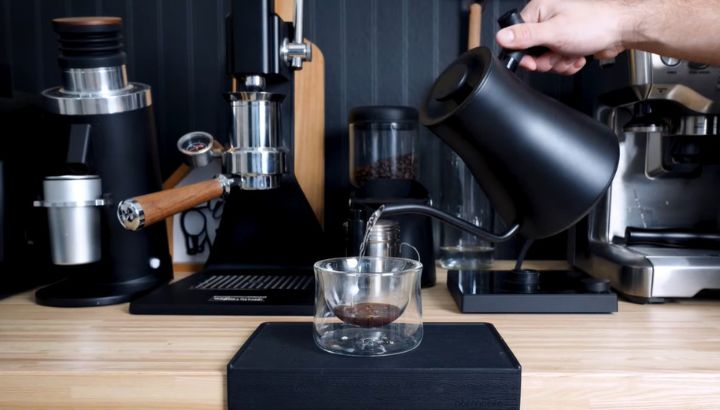
To make instant coffee taste better, use water at 175°F to 185°F instead of boiling, bloom the powder with a small amount of cold water first before adding hot water, use filtered water instead of tap, and upgrade to a freeze-dried instant coffee brand instead of spray-dried granules.
Adding a small pinch of salt neutralizes bitterness without adding saltiness, a tiny amount of butter or coconut oil adds body, and frothing warm milk separately before adding it transforms the texture from flat to genuinely café-like.
Switching brands alone produces one of the biggest improvements: freeze-dried specialty instant coffees from brands including Waka, Mount Hagen, and Sudden Coffee taste significantly closer to brewed coffee than standard supermarket granules at equivalent preparation.
Instant coffee has a reputation problem that’s partly deserved and partly the result of people making it incorrectly with poor ingredients. The characteristic bitterness, thin body, and chemical aftertaste that most people associate with instant coffee come from three correctable sources: low-quality spray-dried granules, boiling water that scorches the coffee solids, and tap water that introduces mineral and chlorine off-notes into a beverage that contains nothing to mask them.
Fixing these problems doesn’t require expensive equipment or specialty knowledge. Most of the improvements in this guide cost nothing and take seconds to implement. A few require small ingredient investments that transform the daily instant coffee experience from tolerable to genuinely enjoyable for anyone who relies on it for convenience, travel, camping, or simply as a backup when the coffee maker isn’t an option.
This guide covers every technique, ingredient upgrade, brewing adjustment, and equipment addition that produces a measurably better cup from instant coffee, along with the specific mistakes that make the problem worse than the instant coffee itself actually is.
Why Instant Coffee Tastes the Way It Does
The Production Process and Flavor Impact
Instant coffee is produced by brewing large quantities of coffee at industrial scale, concentrating the brewed liquid, and then removing almost all the moisture through one of two methods. Spray drying forces the concentrated liquid through a nozzle into a chamber of hot, dry air at temperatures around 480°F (250°C). The water evaporates instantly and leaves behind fine, dry coffee particles.
Freeze drying involves first freezing the concentrated brewed coffee into a solid, then placing it in a vacuum chamber where the ice converts directly to vapor without passing through a liquid stage. This process happens at much lower temperatures, typically below 32°F (0°C), which preserves significantly more of the volatile aromatic compounds that give coffee its flavor complexity.
The temperature difference between these two methods explains why freeze-dried instant coffee tastes noticeably better than spray-dried. The spray-drying process destroys a large portion of the aromatic compounds that distinguish good coffee from bad, while freeze-drying loses fewer of these compounds and produces a granule that more closely resembles the character of the original brewed coffee.
What Causes the Bitterness and Flat Taste
Standard instant coffee bitterness comes from two sources that compound each other. The first is the industrial brewing process itself, which often over-extracts the source coffee to maximize yield, pulling harsh bitter compounds that a carefully controlled home brew would leave behind. The second is the use of boiling water during preparation, which further extracts bitter compounds from the already compromised granules.
The flat, lifeless character of many instant coffees comes from aromatic compound loss during production. The volatile compounds responsible for coffee’s characteristic smell and the bright, complex flavor notes in quality coffee are largely gone before the granule reaches the jar. What remains is dominated by heavier, less pleasant roasted and bitter compounds.
Understanding these two root causes points directly to the fixes: use better-quality freeze-dried granules to start with better source material, and use water below boiling temperature to avoid extracting additional bitterness from what’s in those granules.
Instant Coffee Types and Brand Comparisons
Spray-Dried vs. Freeze-Dried Quality Difference
Spray-dried instant coffee is what most supermarket shelves primarily stock. Brands including standard Nescafé Classic, Folgers Instant, and most store-brand instant coffees use this process. The granules are fine, dusty, and dissolve instantly, but the flavor profile is flat, often slightly harsh, and lacks the aromatic complexity of brewed coffee.
Freeze-dried instant coffee includes brands like Nescafé Gold, Starbucks VIA, Mount Hagen Organic Freeze-Dried, Waka Coffee, and Sudden Coffee. These granules are larger, chunkier, and take 3 to 5 seconds longer to fully dissolve, but the flavor difference is immediately noticeable. Freeze-dried instant coffee produces a cup that most people find comparable to mid-quality drip coffee when prepared correctly.
The price difference between spray-dried and freeze-dried instant coffee is real but modest on a per-cup basis. Mount Hagen Organic costs approximately $0.50 to $0.70 per cup compared to $0.15 to $0.20 per cup for standard Nescafé Classic. For someone who drinks one or two cups daily, this difference is the single most cost-effective upgrade available.
Specialty and Single-Origin Instant Coffees
A newer category of specialty instant coffee includes Sudden Coffee, Swift Cup, and Voilà Coffee, which use carefully sourced single-origin beans processed using refined freeze-drying methods that preserve a significantly higher proportion of the original coffee’s aromatic character.
These products typically cost $1.50 to $3.00 per cup, which positions them between standard instant coffee and a coffee shop purchase. For travelers, hikers, or anyone who wants café-quality coffee without brewing equipment, they represent genuine quality at a reasonable price point compared to their use case.
Starbucks VIA falls in the middle tier between standard freeze-dried and specialty options. It performs consistently and dissolves quickly, but its flavor profile is heavier and more roasted than the lighter, more nuanced specialty instant options.
Instant Espresso Powder vs. Instant Coffee
Instant espresso powder (from brands including King Arthur, Medaglia d’Oro, and Anthony’s) is darker, more concentrated, and intended for use in smaller quantities than standard instant coffee. One teaspoon of instant espresso powder dissolved in 2 to 3 oz of hot water produces an espresso-style concentrate that, while not identical to machine-pulled espresso, is significantly more intense and complex than standard instant coffee.
This concentrate can be used directly as a short, strong shot or extended with hot water for an Americano-style drink, with frothed milk for a latte-style drink, or over ice for an iced coffee. For people who want espresso-adjacent intensity from instant products, instant espresso powder dissolved at a higher concentration outperforms regular instant coffee in both flavor strength and complexity at any equivalent serving.
Technique Improvements That Immediately Upgrade Flavor
Water Temperature: The Single Most Important Variable
Using boiling water at 212°F (100°C) to dissolve instant coffee extracts additional bitter compounds from the granules and destroys volatile aromatic compounds that survived the freeze-drying process. The result is a harsher, more bitter cup than the same instant coffee dissolved in properly tempered water.
Target 175°F to 185°F (80°C to 85°C) for most instant coffees, which is the temperature range where the granules dissolve fully without the aggressive bitterness extraction that boiling water causes. This temperature is easily achieved by boiling water and waiting 2 to 3 minutes before pouring over the granules.
A variable temperature electric kettle eliminates guesswork entirely. The Fellow Stagg EKG (1200W, 0.9 liter capacity) and the Bonavita Variable Temperature Kettle (1000W, 1.0 liter) both allow you to set exact temperatures and hold them for the preparation window. For instant coffee specifically, a kettle with a temperature setting is a worthwhile investment that improves every cup consistently.
The Cold Water Bloom Technique
The bloom technique adds one step that significantly improves the flavor integration of instant coffee. Before adding hot water, add 1 teaspoon of cold or room-temperature water to the instant coffee powder in the cup and stir for 10 seconds to form a thick paste.
This pre-dissolution step ensures the granules are evenly wetted before hot water hits them. Instant coffee granules added directly to hot water can clump and dissolve unevenly, with some granules remaining as undissolved bitter pockets that release concentrated flavor in occasional sips. The cold water bloom eliminates this uneven dissolution entirely.
This technique takes 10 seconds and requires no additional equipment beyond the spoon you’d use anyway. It’s one of the simplest and most consistently effective improvements for any instant coffee brand.
Correct Dosing for Flavor Balance
Most instant coffee products recommend 1 rounded teaspoon (approximately 2g) per 8 oz of water as the standard serving. This ratio is calibrated for a mid-strength result, but individual jars, brands, and personal preferences vary enough that measuring by weight rather than volume produces more consistent results.
A basic kitchen scale accurate to 0.1g allows you to use exactly 1.5g to 2g of instant coffee per 6 to 8 oz of water, which is the range where most brands balance flavor extraction with bitterness control. Consistently under-dosing (less than 1.5g per 8 oz) produces a thin, watery cup. Consistently over-dosing (more than 3g per 8 oz) amplifies the bitterness that makes instant coffee unpleasant.
Water Quality and Its Dramatic Effect
Why Filtered Water Transforms Instant Coffee
Instant coffee contains no paper filter, no grounds, and no buffering materials. Every off-note in the water enters the cup directly and contributes to the flavor without any mitigation. Chlorine, which municipal water systems add for sanitation, produces a chemical aftertaste that is particularly pronounced in instant coffee because there’s nothing to absorb or mask it.
Using filtered water from a pitcher filter (Brita Longlast or PUR Classic) or an under-sink filter eliminates chlorine and reduces dissolved minerals that contribute hardness and metallic notes. The improvement is most dramatic for people in areas with heavily chlorinated tap water but is noticeable in most tap water areas compared to unfiltered.
In hard water areas where calcium and magnesium content is above 120 ppm, the mineral-laden water interacts with coffee’s acidic compounds to produce a dull, flat flavor profile. Filtered or low-mineral water allows the coffee’s natural flavors to come through more clearly without mineral interference.
Additions That Improve Flavor and Texture
Salt for Bitterness Neutralization
A small pinch of fine salt added to instant coffee is one of the oldest and most consistently effective bitterness-reduction techniques in beverage preparation. Sodium ions suppress the perception of bitterness through a mechanism involving taste receptor competition, without adding any detectable saltiness to the drink at the correct quantity.
The correct quantity is critical. Add a pinch no larger than what you can hold between the tip of your thumb and index finger, which corresponds to approximately 0.1g to 0.15g. More than this crosses into detectable saltiness. The correct amount reduces the perception of bitterness by approximately 20% to 30% without any other change to the cup.
Kosher salt or fine sea salt works better than table salt (which contains iodine that can add an off-note) or coarse salt (which doesn’t distribute as evenly). This improvement costs effectively nothing and produces consistent results across every instant coffee brand tested.
Butter and Coconut Oil for Body
Adding 0.5 to 1 teaspoon of unsalted butter or virgin coconut oil to instant coffee and blending briefly produces a creamy, full-bodied cup with significantly more mouthfeel than plain dissolved granules. The fat coats the palate in a way that masks bitterness and creates the impression of a richer, more complex cup.
This technique is borrowed from Bulletproof Coffee preparation and works best when the fat is fully emulsified into the liquid rather than floating on the surface as a separate layer. A handheld milk frother (such as the Zulay Kitchen Handheld Frother, approximately 18W) blended into the cup for 15 seconds fully emulsifies the fat and produces a lightly frothy, silky texture.
Unsalted Kerry Gold butter is the most commonly recommended option for this technique due to its high fat content and clean flavor. MCT oil can substitute for coconut oil for a neutral-flavored alternative with the same body-adding effect.
Spices and Flavor Enhancers
Ground cinnamon added at a ratio of 0.25 teaspoon per cup reduces perceived bitterness and adds a warm, spiced complexity that complements the roasted notes in most instant coffees. Cinnamon doesn’t dissolve fully and will produce a small amount of sediment at the bottom of the cup, which is expected and doesn’t affect the flavor of the main body of the drink.
Cardamom at 0.125 teaspoon per cup adds a floral, slightly citrusy note that works particularly well with darker instant coffee brands. This combination is traditional in Middle Eastern coffee preparation and transforms standard instant coffee into something significantly more interesting.
Vanilla extract at 0.25 teaspoon per cup rounds out bitter edges and adds sweetness perception without adding sugar. Use pure vanilla extract rather than artificial vanilla flavoring to avoid the synthetic chemical note that artificial extract introduces in hot beverages.
Milk, Cream, and Frothed Options
Whole milk added cold after dissolving the granules in hot water is the most common instant coffee upgrade but is often done suboptimally. Adding cold milk to hot instant coffee simultaneously drops the temperature and dilutes the flavor. Warming the milk separately to approximately 140°F to 150°F before adding it maintains the drinking temperature and produces better flavor integration.
A milk frother that heats and froths simultaneously, like the Nespresso Aeroccino 3 (500 ml maximum capacity, approximately 500W) or the Breville Milk Café, produces a layer of warm foam that transforms the texture of instant coffee into something much closer to a café latte. The foam layer insulates the drink, keeps it warmer longer, and creates a textural experience that makes every sip feel premium regardless of the instant coffee brand underneath.
Oat milk (particularly Oatly Barista Edition) froths consistently well and produces a sweeter, more neutral-flavored foam than whole milk. For people avoiding dairy, barista-edition oat milk is the most reliable milk alternative for producing stable foam with a handheld or electric frother.
Instant Coffee Drink Variations
Dalgona Whipped Coffee
Dalgona coffee uses instant coffee as its base and transforms it through vigorous whipping into a thick, mousse-like foam that is spooned over cold or hot milk. Combine 2 tablespoons of instant coffee, 2 tablespoons of sugar, and 2 tablespoons of hot water in a bowl and whisk vigorously by hand or with a hand mixer (such as a KitchenAid Hand Mixer at speed 4 to 5) for 3 to 5 minutes until thick, glossy peaks form.
The whipping process incorporates air into the sugar-coffee mixture and creates a foam stable enough to float on top of milk without immediately dissolving. The result tastes noticeably different from standard instant coffee because the whipping process changes the texture and the sugar-to-coffee ratio produces a more balanced flavor profile.
Freeze-dried instant coffee produces better Dalgona foam than spray-dried since its larger particle size and higher residual aromatic content create a more flavorful and more stable whipped result. Nescafé Gold and Starbucks VIA are the most consistently recommended brands for Dalgona preparation among home cooks.
Iced Instant Coffee
For iced instant coffee, dissolve the granules in 2 oz of hot water at 175°F to 185°F rather than the full serving volume. This produces a small, intensely concentrated liquid that chills rapidly when poured over ice without being immediately diluted to an undrinkable weakness.
Pour the hot concentrate directly over a glass completely filled with ice. Add 4 to 6 oz of cold water, milk, or oat milk after the concentrate has hit the ice and began chilling. The concentrated base holds its flavor character through the dilution from both the added liquid and the melting ice.
Coffee ice cubes made by freezing previously brewed instant coffee in an ice cube tray eliminate dilution entirely. As these cubes melt, they add coffee intensity rather than water, keeping the drink strong from first sip to last.
Common Mistakes and How to Fix Them
Using Boiling Water
Pouring water directly from a just-boiled kettle over instant coffee granules is the most common preparation mistake and produces the sharpest bitterness. The 2 to 3-minute wait after boiling costs nothing and produces a noticeably smoother cup in every test across every brand.
If you don’t have a variable temperature kettle and can’t estimate the wait time accurately, pour the boiling water into the cup first and let it sit for 1 minute, then add the instant coffee. The ceramic cup absorbs some heat and the standing time dissipates additional temperature before the granules make contact.
Dissolving in Too Much Water
Dissolving instant coffee in 10 to 12 oz of water when the recommendation is 6 to 8 oz produces an over-diluted cup with flat, muted flavor where no individual note is strong enough to be pleasant. This is a common error when people use large mugs and fill them entirely.
Match the water volume to the recommended serving size for the brand. Most instant coffees are calibrated for a 6 oz to 8 oz serving. If you want a larger drink, dissolve in the correct small volume first and then add hot or cold water to reach your desired volume after the granules have fully dissolved and the flavor is concentrated.
Skipping the Stir
Adding hot water to instant coffee granules and not stirring until they appear dissolved from the top is insufficient. Granules at the bottom of the cup often remain partially dissolved, releasing concentrated bitter flavor in the last few sips and producing an uneven taste experience throughout the cup.
Stir for 10 full seconds using a spoon or a handheld frother after adding all the water. Verify that no undissolved granules remain on the bottom of the cup before drinking. This step takes 10 seconds and eliminates the uneven-extraction problem that makes the last sip the worst one.
Upgrade Comparison Table
| Upgrade | Cost | Effort | Flavor Impact | Best For |
|---|---|---|---|---|
| Switch to freeze-dried brand | Low to medium | None | High | Everyone |
| Use 175°F to 185°F water | None | Minimal | High | Everyone |
| Cold water bloom technique | None | Minimal | Medium | All brands |
| Filtered water | Low | None | Medium to high | Hard/chlorinated tap water areas |
| Pinch of salt | None | Minimal | Medium | Bitter-sensitive drinkers |
| Froth milk separately | Low (frother) | Low | High | Latte-style drinkers |
| Add cinnamon or vanilla | Very low | Minimal | Medium | Flavor-oriented drinkers |
| Butter or coconut oil | Low | Low (requires frother) | Medium to high | Texture-focused drinkers |
| Dalgona whipped method | None | Medium | High | Cold coffee drinkers |
Pro Tips for the Best Results
Combine Multiple Small Upgrades
No single technique in this guide transforms standard instant coffee into specialty brewed coffee. Each improvement addresses one specific deficiency, and combining three or four simultaneously produces a cumulative result that exceeds what any single change achieves.
The most effective combination for most people is: switching to a freeze-dried brand, using filtered water at 175°F to 185°F, applying the cold water bloom, adding a pinch of salt, and frothing warm oat milk or whole milk separately before adding. This five-step combination costs very little beyond the brand upgrade and produces a cup that most people blind-tasting can’t immediately identify as instant coffee.
Store Instant Coffee Correctly
Instant coffee granules absorb moisture aggressively from ambient air and lose aromatic compounds rapidly once opened. An improperly stored jar of instant coffee tastes significantly worse after two to three weeks of exposure to air than a freshly opened jar of the same product.
Transfer instant coffee to a small airtight glass jar (such as a 4 oz Weck jar with rubber gasket seal) after opening and store in a cool, dry cupboard away from the steam of a stovetop or kettle. Avoid refrigerator storage since repeated temperature cycling from refrigerator to room temperature introduces condensation directly into the granules.
Use a Dedicated Instant Coffee Ratio
Rather than using the same large mug for both instant coffee preparation and serving, use a small 6 oz cup for dissolving and then transfer to a larger mug if needed. This encourages correct volume calibration from the start and makes it more natural to use the right amount of water for the amount of granules.
Many people who find instant coffee consistently disappointing are using the same preparation habits they use with drip coffee, including large mugs, boiling water straight from the kettle, and no attention to dose. Treating the instant coffee preparation as a deliberate 2-minute process rather than a 30-second convenience habit produces a dramatically different result from identical ingredients.
Frequently Asked Questions
Why does my instant coffee taste bitter?
Instant coffee tastes bitter for two main reasons: the production process over-extracts the source coffee during industrial brewing, and most people add boiling water that further extracts harsh bitter compounds from the granules.
The fix is to switch from spray-dried to freeze-dried instant coffee, which starts with better-quality source material, and to use water at 175°F to 185°F instead of boiling.
Adding a small pinch of fine salt (no more than 0.15g) directly to the cup before adding water neutralizes bitter taste perception through taste receptor competition without adding detectable saltiness to the finished drink.
What is the best instant coffee brand for flavor?
The best instant coffee brands for flavor are those using freeze-drying rather than spray-drying. Mount Hagen Organic Freeze-Dried, Waka Coffee, and Nescafé Gold consistently outperform standard spray-dried options in side-by-side comparisons.
For specialty-grade flavor closest to brewed coffee, Sudden Coffee and Swift Cup use single-origin beans and refined freeze-drying methods that preserve significantly more aromatic complexity than mass-market brands.
Starbucks VIA performs consistently as a widely available mid-tier option. All of these brands produce noticeably better cups than standard Nescafé Classic or Folgers Instant when prepared with the same technique and water quality.
Does water temperature really affect instant coffee flavor?
Yes, significantly. Water at a full rolling boil (212°F) extracts bitter compounds from instant coffee granules aggressively and destroys volatile aromatic compounds that survived the freeze-drying process. Using water at 175°F to 185°F instead produces a noticeably smoother cup with more of the coffee’s original aromatic character intact.
The difference is most pronounced with freeze-dried instant coffee where the aromatics worth preserving are actually present in the granule. With low-quality spray-dried instant, the improvement is smaller but still noticeable. A variable temperature electric kettle like the Fellow Stagg EKG or Bonavita Variable Temperature makes this temperature control effortless and consistent.
How do I make instant coffee taste like espresso?
To make instant coffee taste like espresso, use instant espresso powder rather than standard instant coffee granules, and dissolve 2 teaspoons in just 2 to 3 oz of water at 175°F rather than the standard 6 to 8 oz serving.
Brands including King Arthur Espresso Powder and Medaglia d’Oro produce a concentrated, dark roast output that approximates espresso intensity. The result won’t match machine-pulled espresso for complexity or crema, but the concentration and flavor character is significantly closer to espresso than standard instant coffee. Use this concentrate directly, extend with hot water for an Americano-style drink, or add frothed milk for a latte-style cup.
Does adding salt to instant coffee actually work?
Yes, adding a small pinch of fine salt genuinely reduces perceived bitterness in instant coffee. Sodium ions compete with bitter taste receptors on the tongue and suppress their activation, which reduces the intensity of bitter flavors without affecting sweetness, acidity, or other flavor components.
The key is using the correct small quantity: approximately 0.1g to 0.15g, which corresponds to the amount you can hold between the tips of your thumb and index finger. Using more than this produces detectable saltiness that most people find unpleasant. Fine sea salt or kosher salt works better than iodized table salt, which can add an off-note in hot beverages.
Can I make instant coffee less acidic?
Yes. Using water slightly below 175°F reduces acid extraction from the granules since lower temperatures extract fewer of the acidic compounds that develop at higher temperatures.
Adding a very small pinch of baking soda (literally a few granules, less than 0.1g) to the cup before adding water neutralizes some of the acidity without affecting flavor at correct quantities.
Switching to a dark roast instant coffee reduces acidity compared to medium or light roast versions since the extended roasting process degrades some acidic compounds. Adding frothed oat milk or whole milk dilutes the acidity and adds fat that coats the palate, further reducing the perception of acidity in the finished cup.
What can I add to instant coffee to make it taste better?
The most effective additions for improving instant coffee flavor are a pinch of fine salt for bitterness reduction, ground cinnamon (0.25 teaspoon) for warmth and complexity, pure vanilla extract (0.25 teaspoon) for sweetness and roundness, frothed warm milk or oat milk for body and texture, and a small amount of unsalted butter or coconut oil blended in for additional richness.
These additions work independently but produce their best results when combined. The combination of correct water temperature, a pinch of salt, and frothed warm milk addresses the three main complaints about instant coffee (bitterness, flatness, and thin texture) simultaneously and produces a cup that most people find genuinely satisfying.
How do I make Dalgona coffee at home?
Combine 2 tablespoons of instant coffee, 2 tablespoons of granulated sugar, and 2 tablespoons of hot water in a bowl or large cup. Whisk vigorously by hand for 3 to 5 minutes or use a hand mixer at medium speed for 2 to 3 minutes until the mixture forms thick, glossy, caramel-colored peaks that hold their shape when the whisk is lifted.
Spoon the whipped foam over a glass of cold milk or hot milk filled to about two-thirds. Stir before drinking to combine the foam and milk layers. Freeze-dried instant coffee from brands like Nescafé Gold or Starbucks VIA produces more stable, better-tasting Dalgona foam than spray-dried granules.
Is instant coffee bad for you compared to brewed coffee?
Instant coffee has a very similar nutritional and health profile to brewed coffee. It contains comparable amounts of caffeine (60 to 90 mg per 8 oz cup versus 80 to 120 mg for drip), similar antioxidant levels, and roughly equivalent amounts of the beneficial polyphenols that are associated with coffee’s health benefits
in research. It contains slightly higher levels of acrylamide, a compound formed during high-temperature roasting and the spray-drying process, though the health significance of acrylamide at coffee consumption levels is still debated in the scientific literature.
For most healthy adults, drinking one to three cups of instant coffee daily has the same health profile as equivalent drip coffee consumption.
Conclusion
Every improvement in this guide addresses a specific, fixable reason why instant coffee underperforms relative to its potential. The production method determines the quality ceiling, water temperature determines whether you reach that ceiling or stay below it, water quality determines whether off-notes from the tap compete with the coffee, and additions like salt, spices, and frothed milk address body and bitterness issues that even the best instant coffee has by nature.
The hierarchy of impact is clear: switching to a freeze-dried brand produces the largest single improvement, followed by using correctly tempered water at 175°F to 185°F, then filtered water, then the cold water bloom technique. Each additional step produces a smaller marginal improvement, but the cumulative effect of doing all five simultaneously is genuinely significant.
For anyone trying to figure out how to make instant coffee taste better in a practical, daily-use context, the answer is not one dramatic change but four to five small ones that together transform the experience. Start with the brand upgrade and water temperature fix, add the salt pinch and a frother for milk within the first week, and most people find that they stop tolerating their instant coffee and start actually looking forward to it.