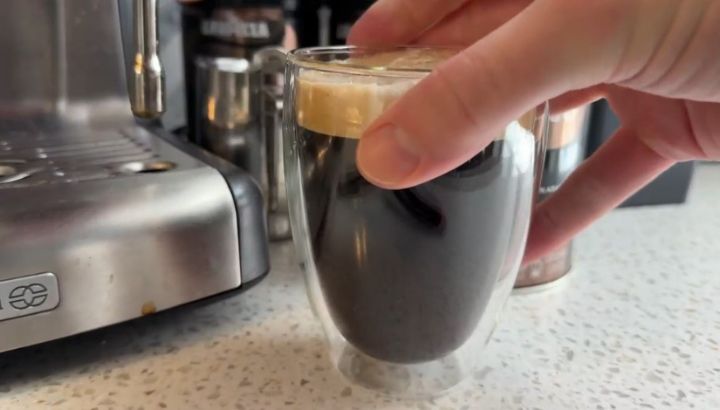
Coffee causes stomach pain primarily because it stimulates gastric acid production through its caffeine and chlorogenic acid content, relaxes the lower esophageal sphincter allowing acid to reflux upward, and accelerates gastric emptying by triggering the gastrocolic reflex, which speeds intestinal movement.
Drinking coffee on an empty stomach amplifies all three effects significantly since there’s no food buffer to absorb the acid or slow gastric motility, making morning coffee the most common trigger for stomach discomfort in regular drinkers.
Switching to a dark roast, low-acid coffee, eating before drinking, and reducing serving size addresses the majority of coffee-related stomach complaints without requiring complete elimination of coffee from the daily routine.
If coffee consistently causes nausea, cramping, burning, or urgent bowel movements, you’re not imagining the connection and you’re not alone. Gastrointestinal complaints are among the most frequently reported side effects of regular coffee consumption, and they affect a significant proportion of daily drinkers to some degree.
The problem isn’t that your stomach is unusually sensitive. It’s that coffee is a genuinely complex beverage that triggers multiple digestive responses simultaneously, and when those responses are amplified by fasting, high doses, or an existing digestive sensitivity, the result is real, uncomfortable stomach pain with a clear cause.
This guide breaks down every mechanism behind coffee-related stomach pain, identifies which coffee types and preparation methods make each cause worse, and provides specific, actionable fixes that work for the real conditions most people are dealing with when they ask why do coffee make my stomach hurt.
How Coffee Affects the Stomach and Digestive System
Gastric Acid Stimulation
Coffee stimulates the stomach to produce gastric acid (hydrochloric acid) through two independent mechanisms. Caffeine triggers the release of gastrin, a hormone that signals the stomach’s parietal cells to produce hydrochloric acid. Chlorogenic acids, natural antioxidant compounds in coffee, independently stimulate gastric acid secretion through their own receptor pathways in the stomach lining.
Both mechanisms operate simultaneously with every cup of coffee. The combined acid increase is measurable and clinically documented. In people with intact stomach linings and no underlying conditions, the acid increase from moderate coffee consumption is handled normally. In people with gastritis, peptic ulcers, or acid reflux disease, the same acid increase pushes an already sensitive system past its tolerance threshold.
The pH of brewed coffee itself (approximately 4.5 to 5.5) adds additional acid to the stomach on top of the acid the coffee stimulates the stomach to produce internally. This double acid load, external from the beverage and internal from stimulation, is why coffee produces more stomach irritation than many other acidic foods at equivalent pH.
The Gastrocolic Reflex and Bowel Urgency
The gastrocolic reflex is a normal physiological response where stimulation of the stomach triggers increased motor activity in the colon, preparing it for incoming food. Coffee activates this reflex more powerfully than most other foods or beverages due to caffeine’s direct stimulation of the colonic muscle and the hormonal cascade it triggers.
In most people, this reflex produces the familiar urgent need for a bowel movement within 20 to 30 minutes of drinking coffee. This response is completely normal and doesn’t indicate a problem in otherwise healthy individuals. However, in people with irritable bowel syndrome (IBS), Crohn’s disease, or colitis, the same reflex produces painful cramping, diarrhea, and significant abdominal discomfort because their colonic sensitivity is already elevated above baseline.
The gastrocolic reflex from coffee is strongest when the stomach is empty. The presence of food in the stomach before or during coffee consumption partially blunts the reflex by diluting the gastric acid concentration and providing a physical buffer between the coffee and the stomach lining.
Lower Esophageal Sphincter Relaxation
The lower esophageal sphincter (LES) is the muscular valve at the bottom of the esophagus that prevents stomach contents from flowing back upward. Caffeine relaxes this sphincter, reducing the pressure it exerts against gastric reflux. When the LES relaxes incompletely, stomach acid flows into the esophagus and produces the burning sensation known as heartburn or acid reflux.
People without pre-existing reflux disease typically experience transient LES relaxation from coffee without significant symptoms because their baseline sphincter tone is sufficient to prevent problematic acid exposure even when partially relaxed. People with gastroesophageal reflux disease (GERD) or a hiatal hernia already have a compromised LES, and caffeine’s relaxing effect pushes them into symptomatic reflux with even modest coffee intake.
This mechanism explains why heartburn after coffee isn’t just about stomach pain but involves a burning sensation that rises from the upper stomach into the chest and throat. The location of pain specifically in the chest or throat after coffee is a signal that LES relaxation and reflux are the primary mechanism rather than simple stomach irritation.
Why Fasted Morning Coffee Makes Everything Worse
The Empty Stomach Effect
Drinking coffee on an empty stomach concentrates every gastric mechanism into a system with no buffering material. Gastric acid produced in response to coffee has nothing to dilute it except the coffee itself, which is itself acidic. The LES relaxation happens without food pressure from below to partially compensate. The gastrocolic reflex fires against a stomach with nothing absorbing the signal.
All three mechanisms produce more intense symptoms on an empty stomach than after eating. Research comparing gastric acid output from coffee consumed fasted versus fed consistently shows higher acid concentrations and longer acid exposure in the fasted condition.
The practical fix is straightforward: eat before or with coffee rather than instead of breakfast. Even a small amount of food, a piece of toast, a banana, or a handful of nuts, provides enough stomach content to buffer acid, slow gastric emptying, and moderate the gastrocolic reflex response significantly.
Morning Cortisol and Compounded Stimulation
Early morning also coincides with the body’s natural cortisol peak, which occurs approximately 30 to 45 minutes after waking. Cortisol independently increases gastric acid production as part of the body’s stress and waking response. Consuming coffee during this cortisol window adds caffeine’s acid-stimulating effects on top of an already elevated acid-producing state.
The combination produces a higher total gastric acid output than coffee consumed at any other time of day. Delaying the first cup of coffee until 90 minutes after waking, when cortisol has begun declining from its peak, reduces the overlap between cortisol-driven and caffeine-driven acid production. This timing adjustment is particularly effective for people who find morning coffee consistently more problematic than afternoon coffee.
Coffee Types and Their Different Stomach Impact
Roast Level and Acid Content
Dark roast coffee consistently produces less stomach irritation than light or medium roast in most people with acid sensitivity. This counterintuitive result occurs because the extended high-temperature roasting process degrades a significant portion of the chlorogenic acids responsible for gastric acid stimulation. A dark roast can contain 25% to 35% less chlorogenic acid than a light roast from the same origin bean.
Dark roast also contains a compound called N-methylpyridinium (NMP) that forms during roasting and actually suppresses stomach acid production in some research. This compound is present at higher concentrations in darker roasts and is entirely absent in unroasted beans, which is why green coffee extract is more stomach-irritating than roasted coffee despite being otherwise “less processed.”
For people whose coffee-related stomach pain is primarily acid-driven, switching from a light or medium roast to a dark roast is the single most effective in-category change. The flavor profile shifts noticeably toward heavier, more bitter notes, but for acid-sensitive drinkers this trade-off is almost universally worth it.
Low-Acid Coffee Brands and Processing
A category of specifically formulated low-acid coffees addresses stomach sensitivity through a combination of bean selection, growing altitude, and processing method. Higher-altitude growing regions produce beans with lower natural acid content. Steam treatment of green beans before roasting (used by brands including Puroast and Hevla) reduces acid content by approximately 50% to 70% compared to standard roasting.
Cold brew coffee has a naturally lower acid content than hot-brewed coffee from the same beans. The cold extraction process (12 to 24 hours at room temperature or refrigerator temperature) extracts fewer acidic compounds than hot water brewing. Cold brew’s pH typically measures around 6.0 compared to 4.5 to 5.5 for hot-brewed drip coffee, representing a meaningful reduction in acidity.
Mushroom coffee blends (from brands including Four Sigmatic and Ryze) mix ground coffee or instant coffee with dried mushroom extracts that have natural buffering properties. Some users with acid sensitivity report significantly less stomach discomfort from these blends than from standard coffee, though clinical research specifically on mushroom coffee’s gastric effects is limited.
Brewing Method Comparison for Stomach Sensitivity
| Brewing Method | Average pH | Acid Level | Stomach Irritation Risk | Best For |
|---|---|---|---|---|
| Hot drip (light roast) | 4.5 to 5.0 | High | High | General use only |
| Hot drip (dark roast) | 4.7 to 5.2 | Medium | Medium | Daily sensitive use |
| Cold brew | 5.8 to 6.2 | Low | Low | Acid-sensitive drinkers |
| Espresso (small volume) | 4.5 to 5.0 | High per oz, low total | Low to medium | Those who want small servings |
| French press | 4.7 to 5.3 | Medium | Medium to high | Higher oils, filter sensitive |
| Low-acid specialty brands | 5.5 to 6.5 | Very low | Low | Maximum sensitivity |
Espresso is often assumed to be more stomach-irritating than drip coffee because of its strength, but the total volume per serving (1 to 2 oz) is much smaller than a standard 8 oz drip coffee. The total acid and caffeine dose per espresso shot is comparable to or lower than an 8 oz drip coffee, which means the stomach impact per serving is similarly modest despite the higher concentration per ounce.
French press coffee contains significantly more coffee oils than paper-filtered drip coffee because there’s no paper filter to absorb them. These oils, particularly cafestol and kahweol, can irritate the stomach lining in sensitive individuals and contribute to loose stools. For people with stomach pain from French press who tolerate paper-filtered coffee better, the oil content is likely a contributing factor.
Individual Factors That Determine Sensitivity
Underlying Digestive Conditions
Irritable bowel syndrome (IBS) affects an estimated 10% to 15% of the global population and makes every coffee-related digestive response more intense. The heightened visceral sensitivity characteristic of IBS means that the gastrocolic reflex, which produces mild urgency in a healthy gut, produces painful cramping and diarrhea in an IBS gut at the same stimulus level.
Gastritis (inflammation of the stomach lining) and peptic ulcers involve an already compromised stomach lining that’s directly exposed to the excess gastric acid that coffee stimulates. Coffee consumed with either of these conditions is experienced as sharp pain in the upper abdomen rather than the diffuse discomfort many healthy coffee drinkers describe.
Lactose intolerance is a frequently overlooked cause of coffee-related stomach pain. Many people add milk or cream to coffee without associating the resulting stomach pain with the dairy addition rather than the coffee itself. Testing with black coffee (no milk or cream) for one week is a simple way to determine whether lactose from dairy additions is causing or contributing to the problem.
Caffeine Sensitivity and Dose
Individual caffeine metabolism speed is determined significantly by CYP1A2 gene variants. Slow caffeine metabolizers maintain higher blood caffeine concentrations for longer after each cup, producing prolonged gastric acid stimulation, LES relaxation, and gastrocolic reflex activation. They also tend to experience stronger anxiety and heart rate responses from the same dose, both of which can compound digestive discomfort through the gut-brain axis.
The dose-dependency of coffee’s gastric effects is clinically consistent. A single 8 oz cup of drip coffee (80 to 120 mg caffeine) produces a smaller and shorter acid response than three consecutive cups (240 to 360 mg). People who find one cup tolerable but two or three problematic are experiencing a straightforward dose-response effect.
Artificial Sweeteners and Additives
Artificial sweeteners including sucralose, aspartame, and acesulfame potassium used in flavored creamers and sweetener packets can independently cause gastrointestinal distress in sensitive individuals, including bloating, cramping, and diarrhea. When these symptoms occur alongside coffee consumption, many people correctly identify the coffee as the timing trigger but incorrectly assume the coffee itself is the cause.
Carrageenan, a thickener used in many commercial liquid creamers including some Coffee Mate and International Delight products, is associated with gastrointestinal inflammation and discomfort in some individuals. Testing with black coffee or coffee with plain milk rather than commercial liquid creamer isolates whether the creamer is contributing to the stomach problem.
Practical Fixes for Coffee-Related Stomach Pain
Eating Before or With Coffee
Eating before coffee is the most universally effective single intervention for reducing coffee-related stomach pain across all mechanisms simultaneously. Food buffers gastric acid, slows gastric emptying, partially blunts the gastrocolic reflex, and provides a physical barrier between the coffee and the stomach wall.
The minimum effective food intake before coffee is small. A piece of whole grain toast, a banana, a small handful of almonds, or even a few crackers provides enough stomach content to meaningfully reduce symptoms in most sensitive drinkers. A full meal is not required and consuming coffee with a protein-rich breakfast produces the most stable gastric environment.
Oats or oatmeal consumed before coffee is particularly effective for acid-sensitive drinkers because oats have a natural buffering effect on stomach acid. Plain oatmeal eaten 15 to 20 minutes before the first cup provides a sustained buffering effect throughout the coffee consumption window.
Reducing Serving Size and Concentration
Reducing from a 16 oz large format drip coffee to an 8 oz standard cup cuts both the acid load and the caffeine dose by half without requiring any change in brand, brewing method, or preparation technique. For people experiencing consistent stomach pain from their current serving size, this is the simplest and most immediate fix.
Switching from a double espresso to a single shot Americano (one shot extended with water to 6 oz) reduces caffeine dose while maintaining the serving volume and overall drinking experience. The total caffeine in a single espresso shot is approximately 60 to 75 mg compared to 120 to 150 mg for a double, and the stomach impact scales proportionally.
Half-caff blends (50% regular, 50% decaffeinated) produce approximately half the gastric acid stimulation of full-caffeine coffee and are widely available as both whole beans and pre-ground options. Many sensitive drinkers find half-caff eliminates their symptoms entirely while still providing enough caffeine for the alertness they’re seeking.
Cold Brew as a Stomach-Friendly Option
Cold brew coffee prepared at home using coarsely ground dark roast beans steeped 12 to 24 hours in cold filtered water in a mason jar or dedicated cold brew vessel (such as the Hario Mizudashi 1,000 ml or the OXO Good Grips Cold Brew Maker) produces the lowest-acid coffee available from home brewing without specialty low-acid beans.
Cold brew at a 1:5 coffee to water ratio diluted 1:1 before serving contains approximately half the titratable acid of an equivalent hot-brewed drip coffee. For stomach-sensitive drinkers who have failed with other interventions, cold brew is often the method that finally allows them to enjoy coffee without discomfort.
The Toddy Cold Brew System with its felt filter pad produces an exceptionally smooth concentrate that is both lower in acid and lower in irritating coffee oils than any other commonly used home cold brew method. The felt filter removes the cafestol and kahweol oils that French press leaves behind and that contribute to gastric irritation in sensitive individuals.
Common Mistakes That Make Stomach Pain Worse
Drinking Coffee as a Meal Replacement
Substituting coffee for breakfast, either intentionally to reduce calories or due to time constraints, creates the worst possible gastric environment for coffee consumption. The stomach is maximally empty, acid has nothing to buffer, and the caffeine and chlorogenic acid stimulation operates unopposed.
Over time, this pattern trains the digestive system to associate coffee with acute gastric stress, which can worsen sensitivity even when eating habits improve later. Breaking the meal-replacement pattern by eating even a minimal amount before the first cup corrects this cycle for most people within 1 to 2 weeks.
Drinking Multiple Cups in Rapid Succession
Drinking three or four cups of coffee within a 90-minute window produces a sustained high gastric acid state that exceeds what the stomach can buffer efficiently. Each cup adds to the acid load before the previous cup’s stimulation has cleared, creating an accumulation effect that pushes total gastric acid output significantly above any single-cup baseline.
Spacing coffee consumption with at least 90 minutes between cups allows partial gastric acid clearance between servings. For heavy coffee drinkers experiencing consistent pain, this spacing change alone reduces symptom frequency significantly without requiring any reduction in total daily cups.
Ignoring Consistent Severe Pain
Stomach pain that is severe, persistent across multiple days, accompanied by blood in stool, unexplained weight loss, or pain that wakes you from sleep is not simply coffee sensitivity and requires medical evaluation. These symptoms suggest peptic ulcer disease, inflammatory bowel disease, or other conditions that coffee is worsening but not causing.
Continuing to drink coffee while these symptoms are present and attributing them entirely to coffee sensitivity delays diagnosis of treatable underlying conditions. Anyone whose coffee-related stomach pain is severe or accompanied by these additional symptoms should see a healthcare provider before pursuing further dietary adjustments.
Read More: How Does a Coffee Maker Work
Pro Tips for Sensitive Coffee Drinkers
Add a Pinch of Baking Soda
Adding 0.25 teaspoon of baking soda (sodium bicarbonate) to a full 8 oz cup of brewed coffee raises the pH from approximately 4.5 to 5.5 to approximately 6.0 to 6.5, measurably reducing the external acid load that coffee delivers to the stomach. The small quantity doesn’t produce a detectable salty or soapy taste when used correctly.
This technique is most effective with light roast or medium roast coffees where the starting pH is lowest. For dark roast or cold brew, the starting pH is already higher and the baking soda adjustment produces less dramatic buffering but still a measurable improvement for very sensitive individuals.
Use a Paper Filter Even With a French Press
If you prefer the full-body flavor of French press coffee but find it more stomach-irritating than drip coffee, pour the finished French press output through a paper coffee filter placed over your cup before drinking. This step removes the cafestol and kahweol oils that contribute to gastric irritation and loose stools in oil-sensitive individuals.
The filtration takes 2 to 3 minutes and changes the body of the coffee slightly (reducing it toward drip coffee texture) but preserves the longer extraction character and lower acidity that French press produces compared to drip. This combined approach suits French press enthusiasts who find their stomach doesn’t tolerate the oil content.
Try Digestive Bitters Before Coffee
Digestive bitters (herbal preparations including Angostura, Urban Moonshine Organic Bitters, and Bitters Lab products) taken in small quantities 10 to 15 minutes before coffee support the digestive system’s ability to handle acid loads by stimulating bile production and optimizing gastric enzyme output. They’re an established traditional digestive aid with a plausible mechanism for reducing coffee-related discomfort.
This intervention is particularly relevant for people whose coffee stomach pain is accompanied by nausea or a feeling of fullness rather than sharp acid pain, which often indicates sluggish bile flow rather than excess acid as the primary mechanism.
Frequently Asked Questions
Why does coffee hurt my stomach but not everyone else’s?
Individual response to coffee’s gastric effects varies based on caffeine metabolism speed (CYP1A2 gene variants), baseline gastric acid production, lower esophageal sphincter tone, gut microbiome composition, and whether any underlying digestive conditions are present.
Slow caffeine metabolizers maintain higher blood caffeine levels longer and experience prolonged gastric stimulation from the same dose that fast metabolizers clear quickly.
People with subclinical gastritis, IBS, or GERD experience amplified responses to the same acid and motility triggers that produce no symptoms in people without those conditions. Fasting state, cortisol levels, and total daily caffeine dose all add additional variability on top of these individual factors.
Does decaf coffee still hurt your stomach?
Yes, decaf coffee still causes stomach pain in many sensitive individuals despite containing only 2 to 15 mg of residual caffeine per cup. This is because chlorogenic acids, which independently stimulate gastric acid production, remain largely intact after the decaffeination process.
The coffee’s natural acidity (pH 4.5 to 5.5) also persists in decaf and contributes its own acid load to the stomach. For people whose stomach pain is primarily caffeine-driven, decaf provides significant relief.
For people whose pain comes from chlorogenic acid stimulation or coffee’s natural acidity, decaf produces only partial improvement. Switching to low-acid decaf addresses both the caffeine and the acidity simultaneously.
Is it normal for coffee to cause stomach cramps?
Stomach cramps from coffee are common enough that they’re considered an expected response rather than a medical symptom in otherwise healthy individuals.
The gastrocolic reflex that coffee powerfully stimulates produces colonic contractions that many people experience as cramping, particularly on an empty stomach or in people with heightened gut sensitivity.
These cramps typically resolve within 30 to 60 minutes as the reflex activation subsides. Cramps that persist beyond 2 hours, are severe enough to double you over, are accompanied by fever or blood in stool, or occur with every cup regardless of food intake deserve medical evaluation to rule out underlying conditions being triggered by coffee.
Does the type of coffee matter for stomach pain?
Yes, significantly. Dark roast coffee contains fewer chlorogenic acids than light roast due to degradation during extended roasting, producing less gastric acid stimulation per cup.
Cold brew coffee has a pH approximately 1 to 1.5 units higher than hot-brewed coffee from identical beans, meaning significantly less external acid reaching the stomach with each cup.
French press coffee contains coffee oils (cafestol and kahweol) that paper-filtered drip coffee removes, and these oils cause gastric irritation and loose stools in oil-sensitive individuals.
Low-acid specialty brands using steam treatment of green beans or high-altitude growing reduce acid content by 50% to 70%. The type of coffee chosen makes a larger practical difference than most other interventions.
Why does coffee make me nauseous in the morning?
Morning coffee nausea is most commonly caused by the combination of an empty stomach, peak cortisol levels, and caffeine’s stimulation of gastric acid production all occurring simultaneously.
The high gastric acid concentration with no food to buffer it can reach the upper stomach and lower esophagus, producing nausea alongside or instead of the burning pain of classic heartburn.
Caffeine also delays gastric emptying at high doses, which means the acidic coffee sits in the stomach longer than normal. Eating before the first cup, delaying coffee until 90 minutes after waking to clear the cortisol peak, and reducing to a smaller serving size resolves morning nausea for most people within a few days of consistent application.
Can coffee cause an ulcer or make one worse?
Coffee does not cause peptic ulcers. Peptic ulcers are caused primarily by Helicobacter pylori bacterial infection or long-term NSAID use, not by coffee or diet. Coffee does, however, worsen existing ulcer symptoms significantly by stimulating excess gastric acid production that has direct contact with the ulcerated stomach lining.
People with diagnosed peptic ulcers are consistently advised to reduce or eliminate coffee consumption during the healing period because each cup increases the acid exposure that delays healing.
After an ulcer has healed, many people can return to moderate coffee consumption without worsening symptoms, particularly if they avoid fasted consumption and use lower-acid options.
Does adding milk to coffee help with stomach pain?
Adding milk to coffee provides a modest buffering effect on the coffee’s acidity and can reduce stomach irritation in some people. Milk has a pH of approximately 6.5 to 7.0 and contains fat and protein that slow gastric emptying and blunt the gastrocolic reflex.
However, in people with lactose intolerance, the lactose in milk causes its own gastrointestinal symptoms that may be misattributed to the coffee. Testing with lactose-free milk or a plant-based alternative eliminates this variable.
Oat milk has natural beta-glucan content that provides additional buffering. Adding milk does not address the primary causes of coffee stomach pain (chlorogenic acid stimulation, LES relaxation, gastrocolic reflex) but provides a mild overall reduction in gastric impact.
How do I know if coffee is causing my stomach pain or something else?
The most reliable way to determine whether coffee is causing or contributing to stomach pain is a structured elimination trial. Remove coffee completely for two weeks and monitor whether stomach pain frequency and severity change.
If symptoms improve substantially, reintroduce coffee while keeping everything else in the diet constant and observe whether symptoms return within the first few cups. If symptoms persist throughout the coffee elimination period at the same level, coffee is likely not the primary cause.
If symptoms partially improve, coffee is a contributing factor but not the sole one. Persistent unexplained stomach pain regardless of coffee intake warrants medical evaluation since numerous digestive conditions produce similar symptoms.
What is the best coffee for people with sensitive stomachs?
The best coffee for sensitive stomachs is dark roast, low-acid, cold-brewed coffee consumed after eating rather than on an empty stomach. Cold brew made with dark roast beans combines three acid-reducing factors simultaneously: the low extraction acidity of cold brewing, the reduced chlorogenic acid content of dark roasting, and the smooth extraction character that cold processing produces.
Brands specifically formulated for low acidity including Puroast Low Acid Coffee, Healthwise Coffee, and Tyler’s No Acid Organic Coffee address the acid variable through processing rather than just roast level.
Any of these consumed in an 8 oz serving 90 minutes after eating rather than first thing in the morning on an empty stomach produces the lowest possible stomach impact from a regular coffee routine.
Conclusion
The core answer to why do coffee make my stomach hurt is that coffee simultaneously stimulates excess gastric acid production, relaxes the valve that prevents acid reflux, and accelerates intestinal movement through the gastrocolic reflex, with all three effects amplified by fasting, high doses, and underlying digestive sensitivities.
None of these mechanisms is unusual or indicates a serious problem in most people, but each one produces real, uncomfortable symptoms when the conditions align.
The most effective interventions address the root causes directly: eating before coffee eliminates the empty stomach amplification, switching to dark roast or cold brew reduces the chlorogenic acid and pH load, reducing serving size and spacing cuts the total acid and caffeine accumulation, and delaying the first cup until 90 minutes after waking avoids the cortisol overlap that makes morning coffee the most problematic daily cup.
For most coffee drinkers asking why do coffee make my stomach hurt, complete elimination is not necessary. A combination of three to four targeted adjustments to timing, preparation, serving size, and coffee type resolves the majority of gastric symptoms while preserving the daily ritual and functional benefits of coffee.
When symptoms persist despite these adjustments or include alarm features like blood, severe pain, or unexplained weight loss, a healthcare provider should evaluate for underlying conditions before further dietary changes are pursued.